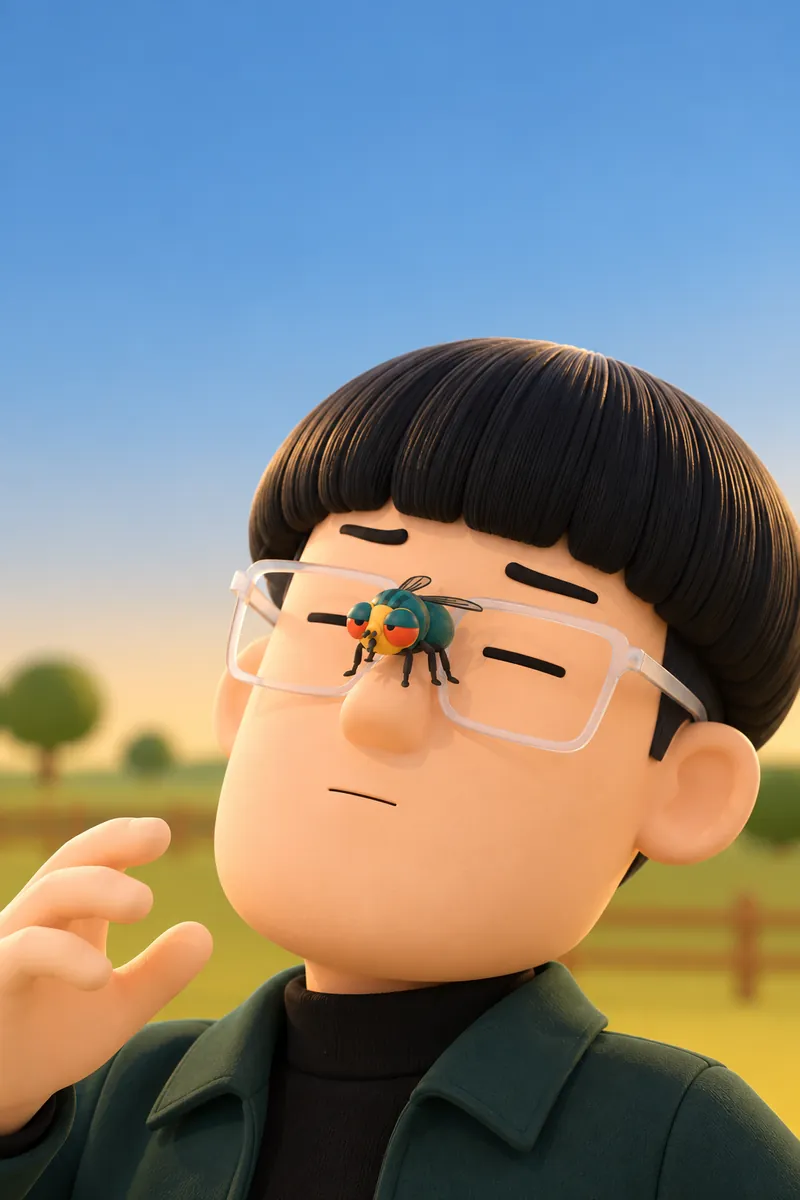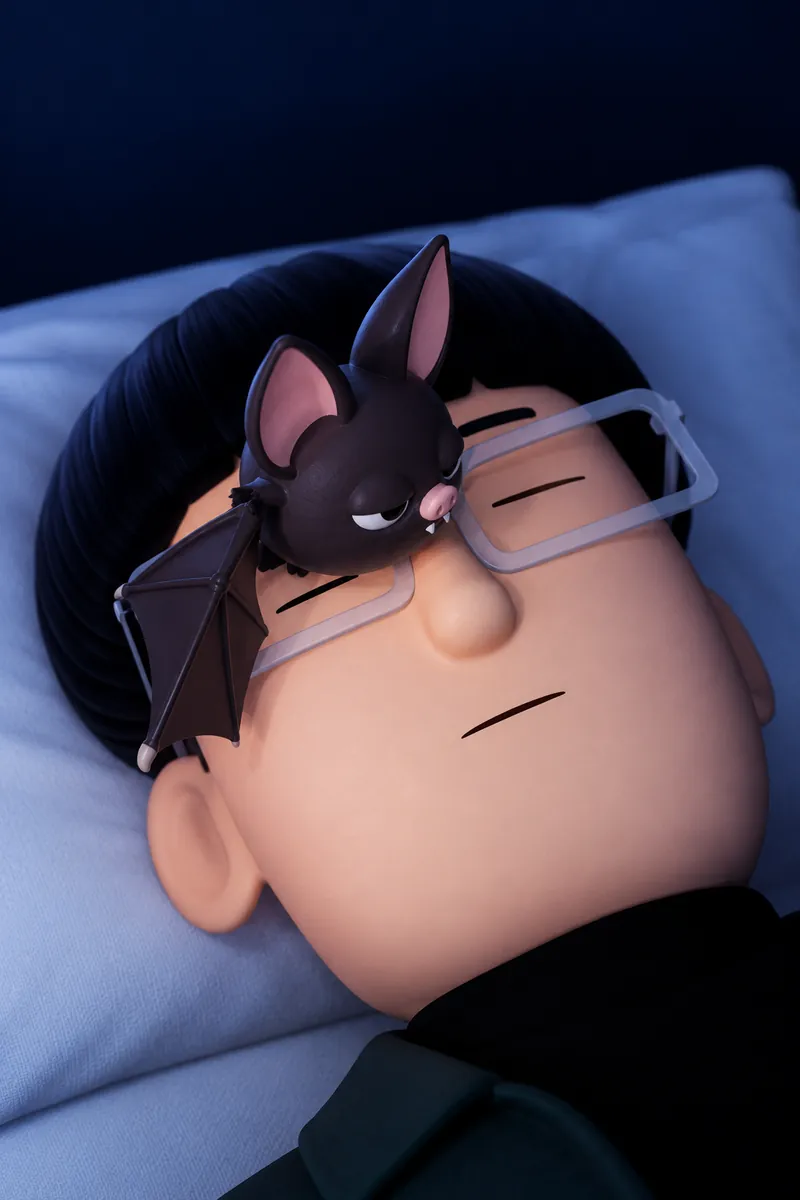
We tend to judge a bite by how bad it looks. Rabies from bats is the case where that instinct can kill you, because the wound may be too small to find.
The case
In 2026 the Canadian Medical Association Journal published a report on an 11-year-old boy who woke up with a bat on his face. There were no bite marks. His family released the bat and didn't take him to a doctor. About three weeks later his face went numb, and neurological symptoms got worse quickly. Rabies was confirmed four days into his hospital stay, and he died two weeks after that.
It isn't a one-off. The US Centers for Disease Control and Prevention (CDC) documented a similar case in Texas in 2021: no visible marks, no vaccine, and death from rabies. The CDC notes that bat bites can be tiny, that you may not know you were bitten, and that most people who die of rabies in the US were exposed to a rabid bat.
Why the silence is the problem
After the bite, the virus multiplies nearby, gets into a nerve and travels towards the brain and spinal cord. While it does that you feel nothing. The World Health Organization (WHO) puts the usual incubation at two to three months, with a range from one week to one year. The boy's was short.
Two more facts make this period so treacherous. There's no WHO-approved test that can detect rabies infection before symptoms start, so nothing can reassure you or warn you. And once symptoms start, rabies is almost always fatal.
So the only moment to act is during the stretch when nothing seems wrong.
The fear of water, and of air
The best-known symptoms belong to what's called furious rabies. Trying to drink, or even being offered a drink, can set off painful spasms in the throat. That's hydrophobia. Saliva builds up because it can't be swallowed, which produces the foaming everyone knows from films, and the saliva carries the virus to the next victim.
Less famous is aerophobia. A current of air on the face can trigger the same spasms, and doctors have used this at the bedside as a clinical sign.
Two qualifiers we were careful about: aerophobia is reported more often in rabies caught from dogs than from bats, and roughly one case in five is the paralytic form, without hydrophobia. So these symptoms can happen, but they don't always.
The race you can still win
The good news is that post-exposure treatment works. Given in time, the vaccine and the treatment that goes with it stop the virus before it reaches the central nervous system.
So the lesson we'd like you to remember is narrow and practical. If you've had contact with a bat, particularly if you woke up with one in the room or found one near a sleeping child, don't look for a wound to decide whether it counts. The WHO advises washing any bite or scratch thoroughly with soap and water for at least 15 minutes, and you should get medical advice the same day. Local risk varies by country, and a doctor can tell you what applies where you are.
Two claims we're not repeating
You may have heard two other things about rabies. One is how fast the virus climbs the nerves, because the measurements vary too much for a single figure. The other is the appealing idea that hydrophobia is a trick by the virus to keep saliva concentrated for the next bite. It's a neat story, but we found no direct evidence for it.