Ad Links marked (Ad) are affiliate links. As an Amazon Associate I earn from qualifying purchases.
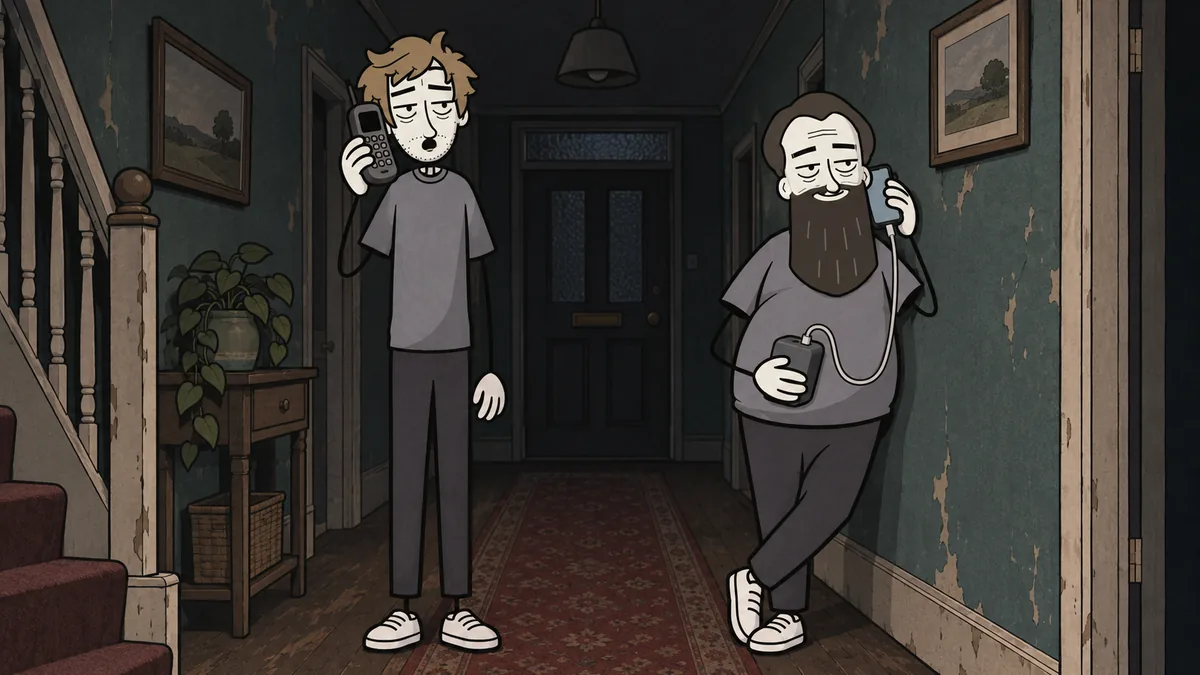
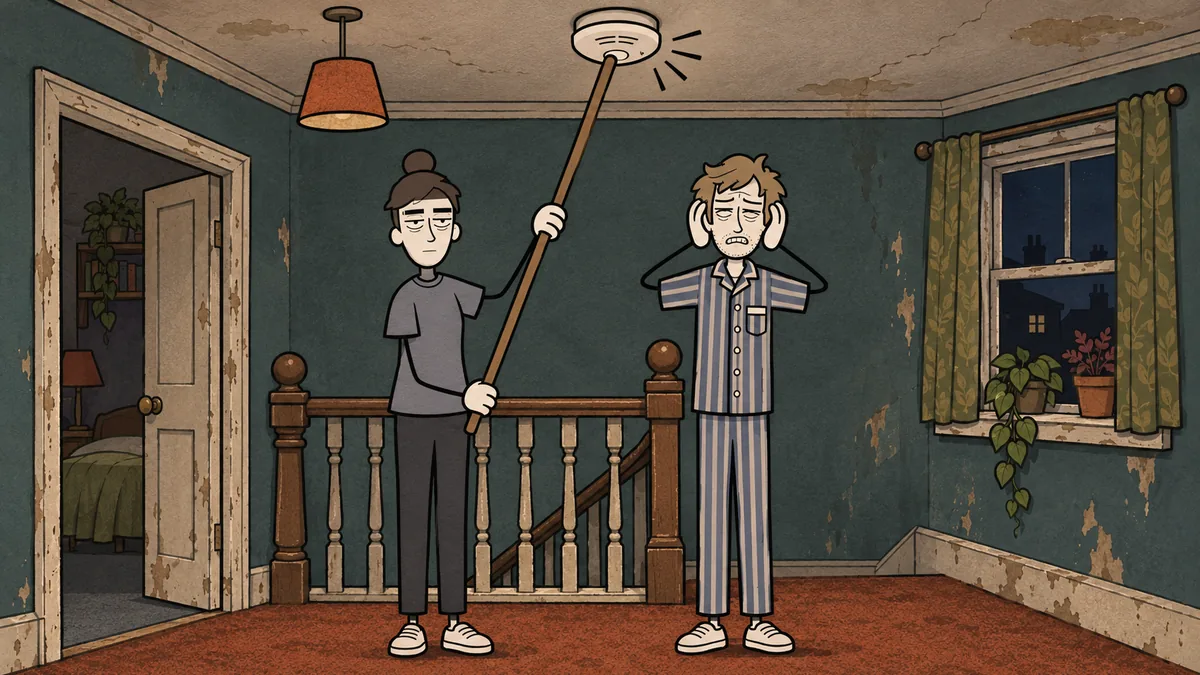
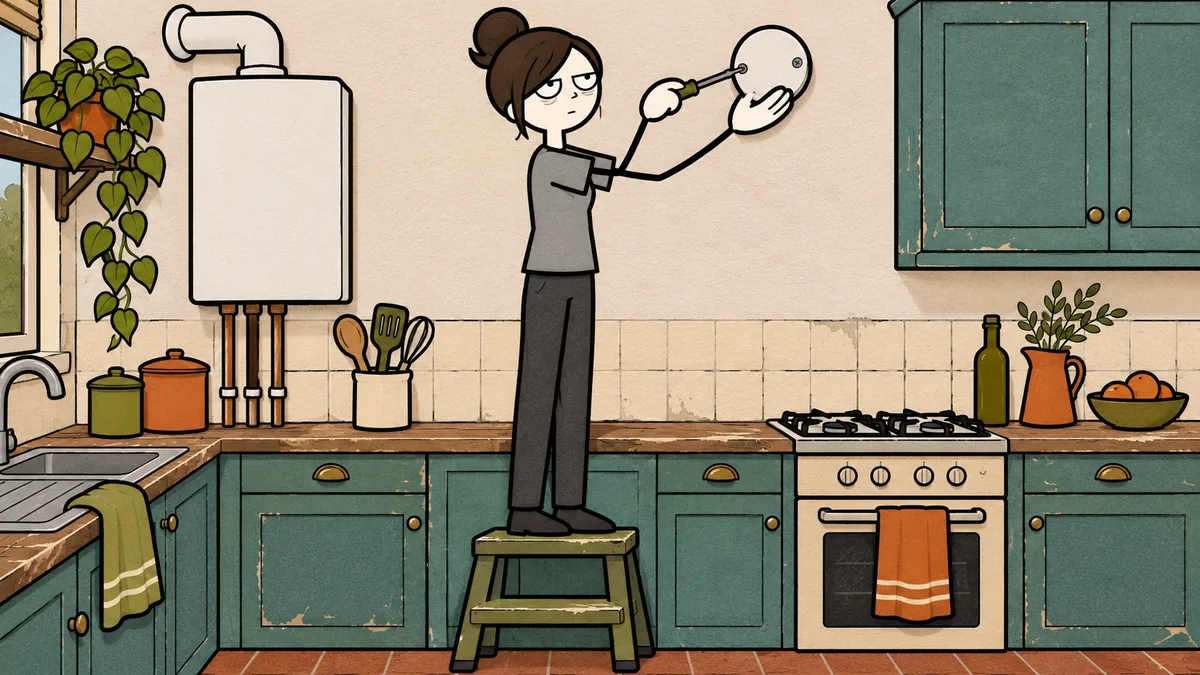
Products here are on topic, but we haven't tested them. Drawings are ours, not photos of the exact product.

Emergency survival bag
(Ad) See on Amazon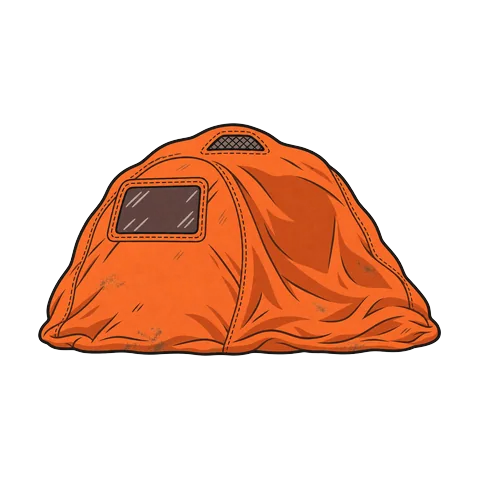
Two-person emergency shelter
(Ad) See on Amazon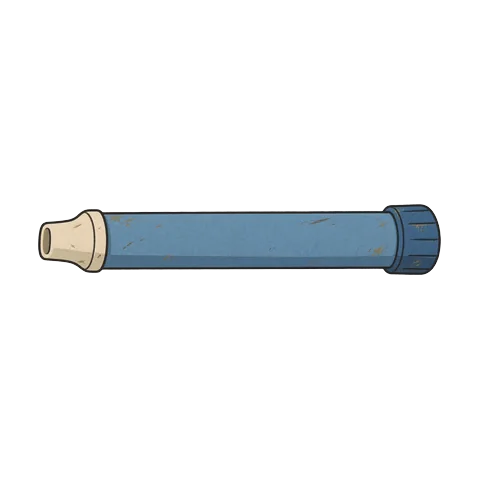
Straw water filter
(Ad) See on Amazon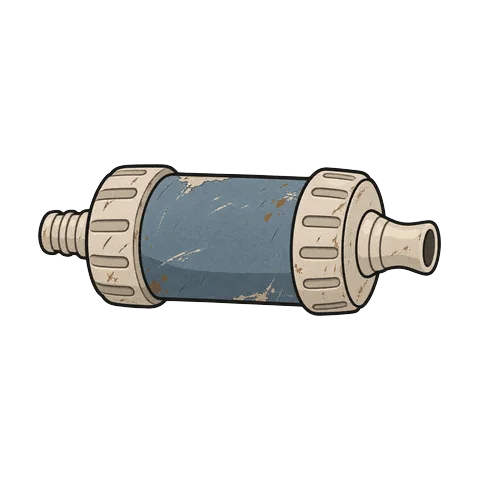
Mini water filter
(Ad) See on Amazon
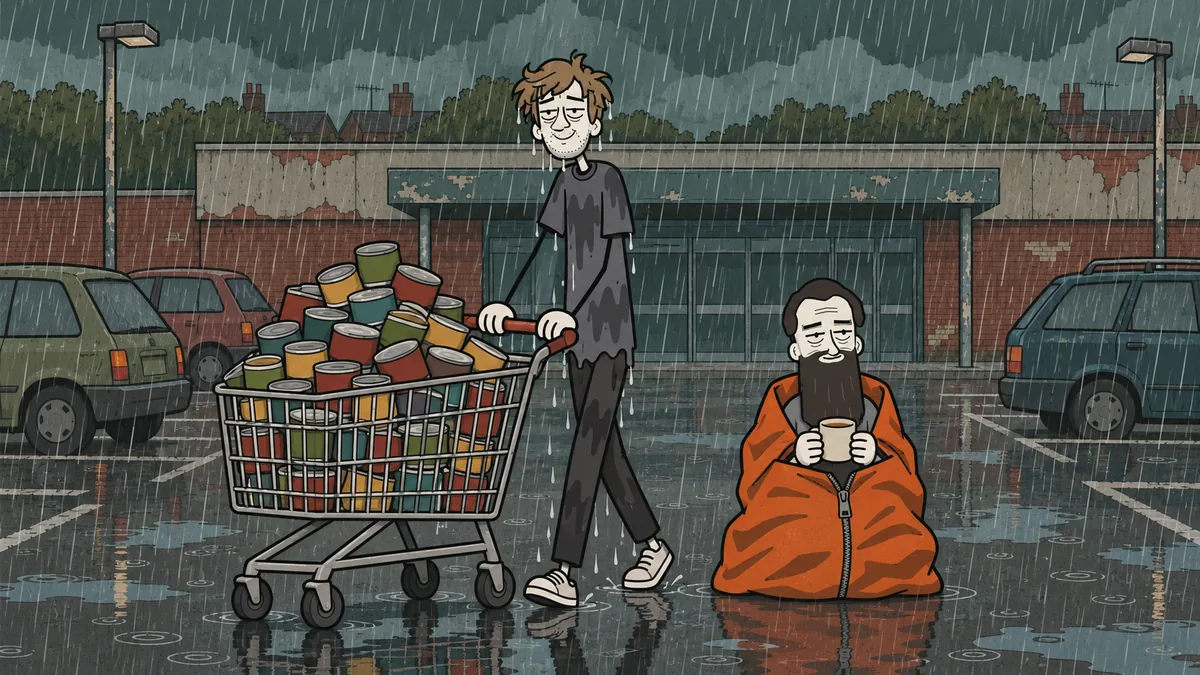
When something goes badly wrong, the first reflex for many people is food: a trolley, a supermarket aisle, as many tins as you can carry. It feels sensible. But if you are suddenly out in the cold, wet and without a proper roof, food is very rarely what will get you into trouble first.
The rule of threes
Survival instructors often use a simple guide called the rule of threes. Roughly, a person can last:
- about three minutes without air;
- about three hours without shelter in harsh conditions, such as severe cold or heat;
- about three days without water;
- about three weeks without food.
These numbers are not promises, and they are not targets. Survival guides stress that they only help you decide what to deal with first; they do not tell you how long you are safe. Cold, wet or exhausted people can get into serious difficulty long before three hours pass. What the rule does show is the order: shelter and warmth first, water next, food last.
Shelter first: stay warm and dry
Being wet and exposed to wind makes you lose heat far faster than you would expect. A mountain rescue volunteer quoted by the Met Office points out that temperatures feel much colder in rain or wind, and says they keep a large orange plastic survival bag at the bottom of their rucksack, describing it as something that "can be a lifesaver".
A survival bag is cheap, light and folds into a pocket. You climb inside it to keep the wind and rain off and hold in some of your body heat while you wait for help or for the weather to pass. It is not a tent, and it will not make a bad night comfortable, but it can make the difference between cold and dangerously cold.
If there are two of you, a group shelter works on the same idea. It is a large waterproof bag with no poles that you pull over your heads and sit inside, so the wind and rain stay out. The one below is listed for two people and has a window, an air vent and reflective strips that show up in torchlight.
Then water: don't trust a puddle
After shelter, water becomes the next priority. When taps are off, it is tempting to drink from a stream, a pond or a puddle. The NHS warns that infections such as giardiasis can be caught by drinking water contaminated by the poo of infected people or animals, and from water in lakes and rivers.
A personal water filter, the kind you drink through like a straw, is designed to hold back bacteria and parasites. It is important to know its limits: check what the manufacturer says it removes, because filters like these are not designed for viruses or chemicals. If you have a safe, sealed supply of drinking water, use that first.
Not every filter is a straw. Some are small units that screw onto an ordinary bottle or a soft pouch: you fill it from the stream and drink through the filter. The one below fits in a palm and, according to its listing, removes bacteria and protozoa such as Giardia. The bottle or pouch isn't included, and the same limits apply.
And finally, food
Food still matters, especially over days and weeks, and a well-stocked cupboard is a sensible thing to have. But if you only have a few minutes to decide what to grab, the order is worth remembering:
- Something to keep you warm and dry.
- A way to get safe drinking water.
- Food.
This is general information. Official instructions for your area always come first.
Free: the 3-day kit checklist
Sign up and get our printable checklist of what to keep at home for three days. Then about one short email a week with what's new. It takes minutes, and Harry won't do it.
Get the free checklist and about one email a week with safety tips and kit ideas. Unsubscribe any time. Privacy notice.