Buying guides
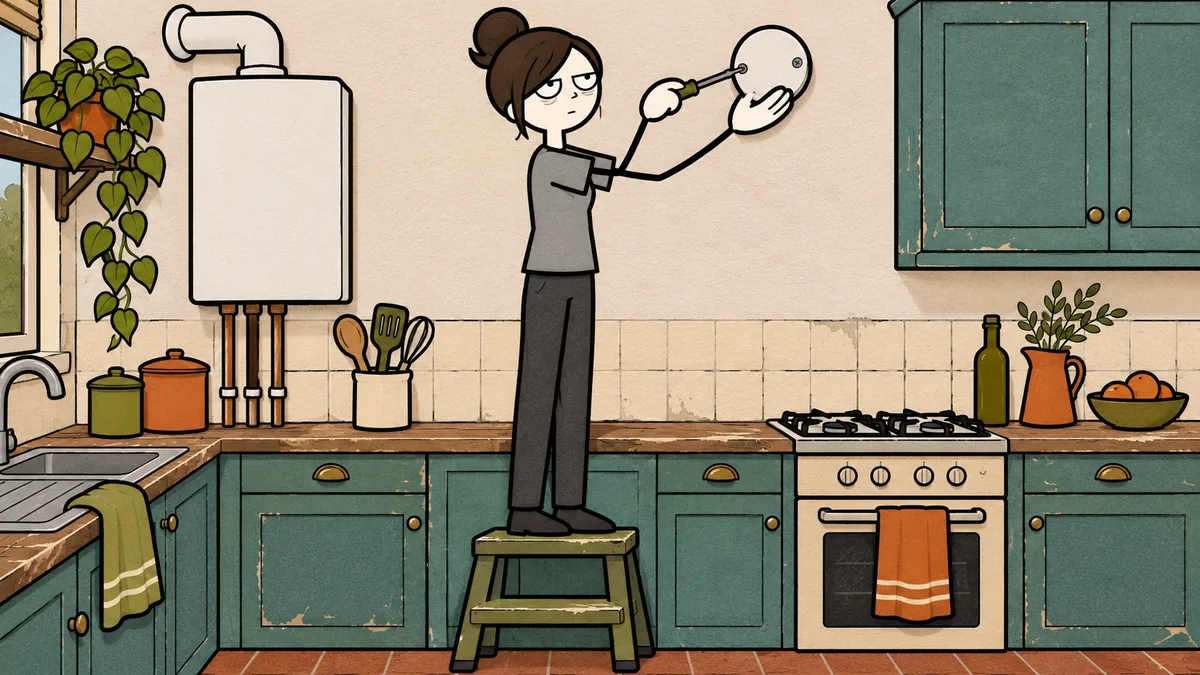
How to Choose a Carbon Monoxide Alarm
The standard to look for, why battery life and sensor life are different things, where official advice says to fit it, and the indicator cards and unbranded alarms to leave alone.
What the official advice actually says, in plain English, with the sources at the bottom.
Buying guides
The standard to look for, why battery life and sensor life are different things, where official advice says to fit it, and the indicator cards and unbranded alarms to leave alone.
Buying guides
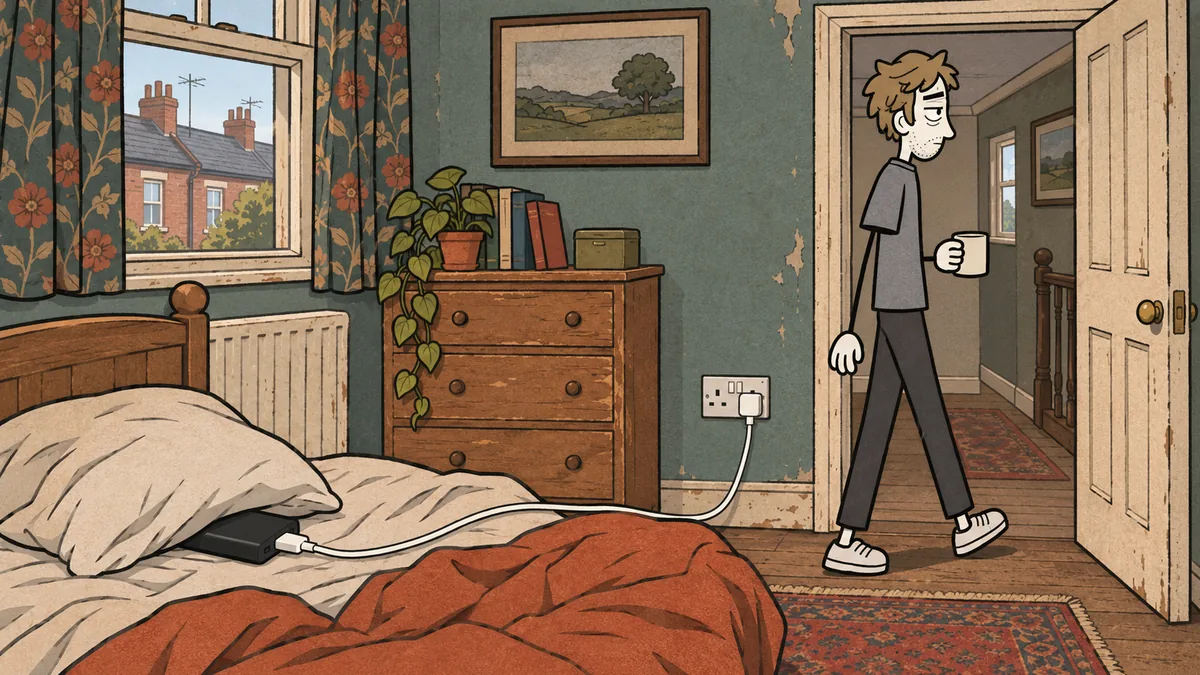
What the mAh number means in phone charges, how much to plan for over three days, how to keep one ready, and the safety checks for anything full of lithium-ion cells.
Buying guides
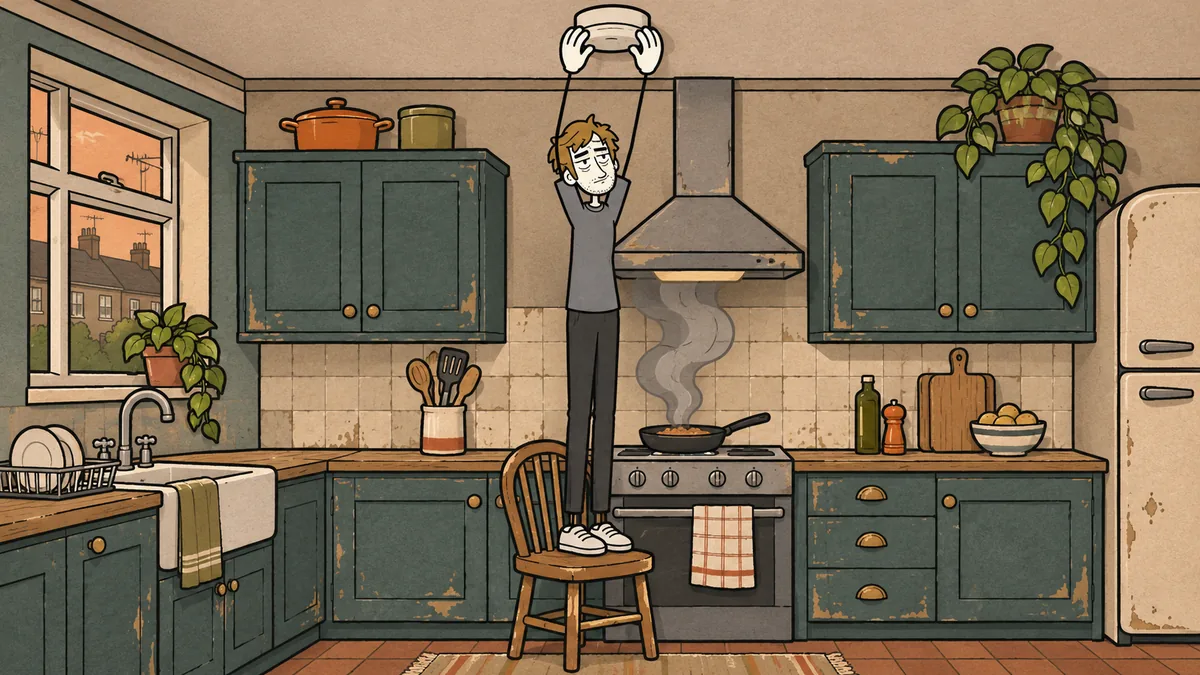
Optical or heat, sealed battery or replaceable, standalone or interlinked: what UK fire services say to look for, where each type belongs and what Scottish homes must have.
Buying guides
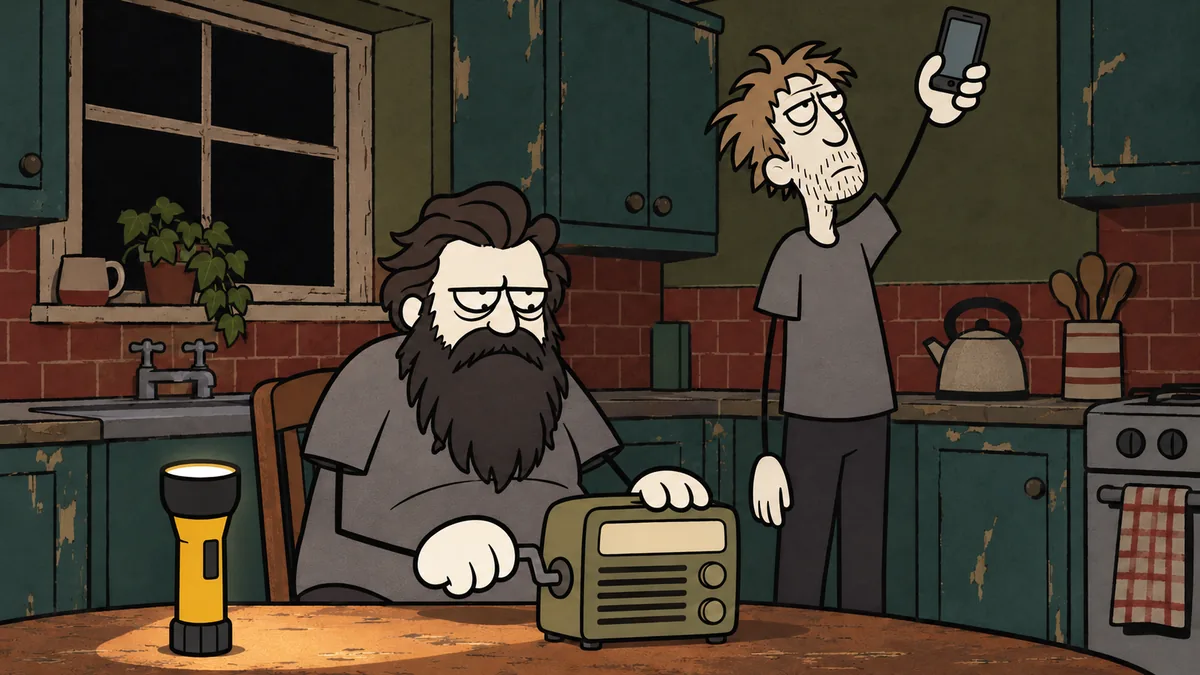
Why the government's emergency checklist still asks for an FM radio, how the ways of powering one compare, and what a radio can't do for you when the lights go out.
Water
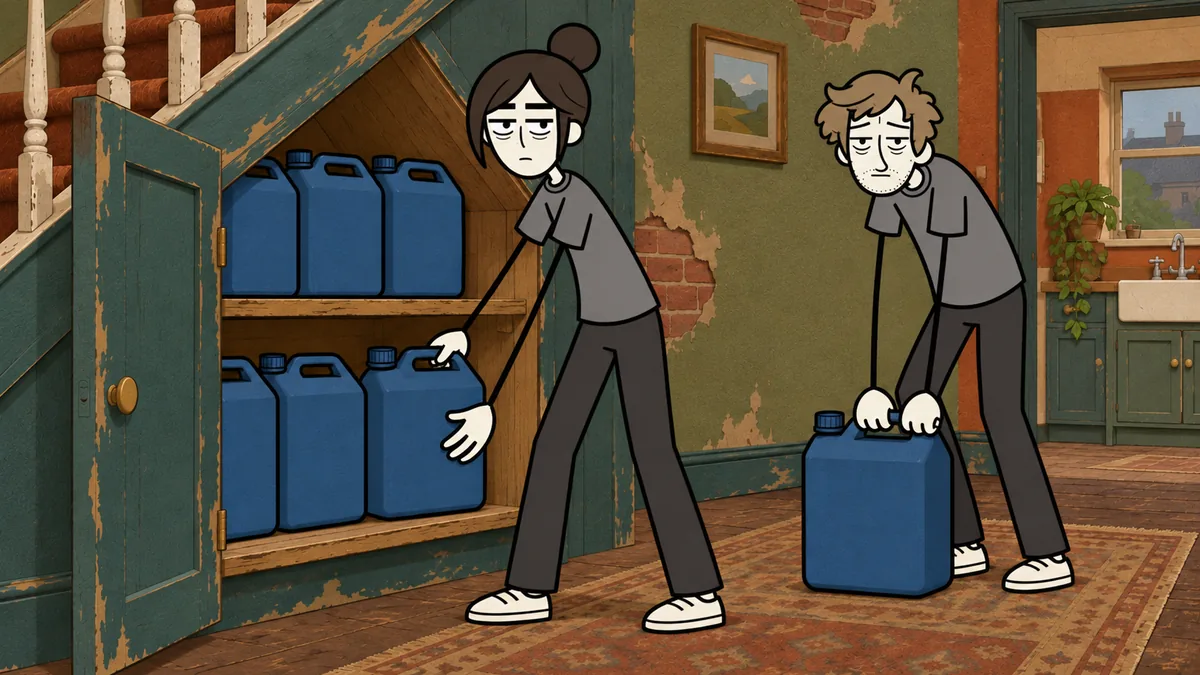
The UK advice is 3 litres per person per day for three days, and bottled water is the safest way to hold it. Here is how to store and rotate it, and what to do if your tap water may not be safe.
Water
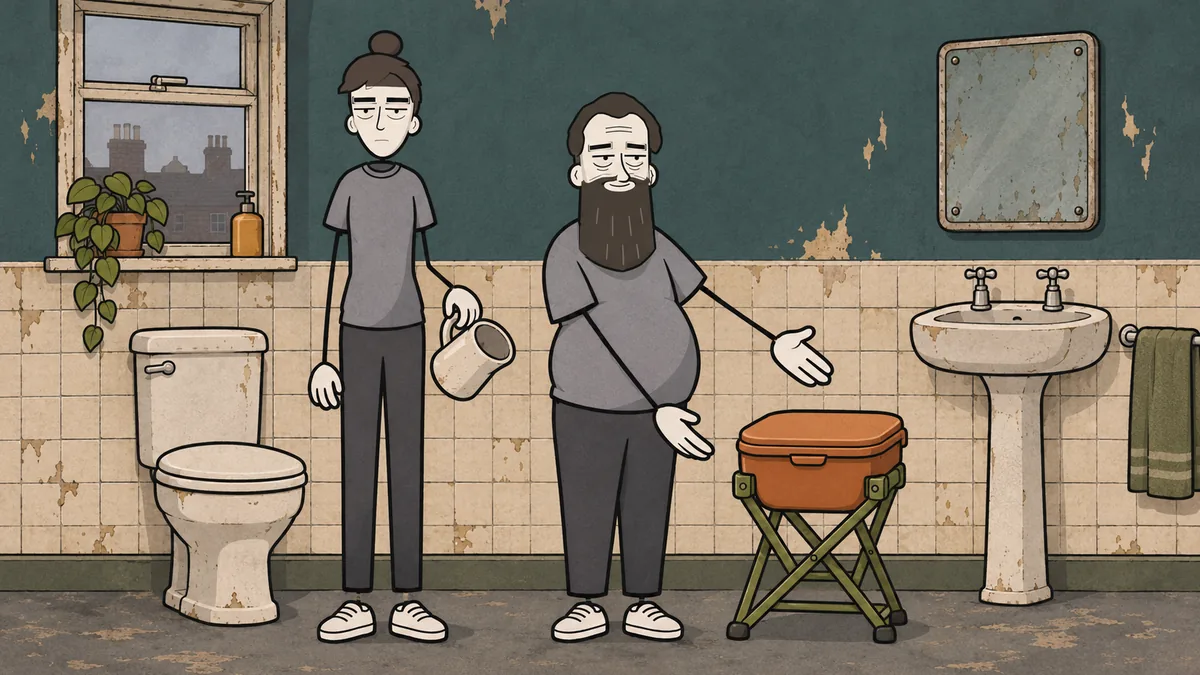
When the taps stop, the toilet quietly becomes one of the biggest problems in the house. A little planning, a couple of buckets and plenty of handwashing keep it safe.
Getting lost
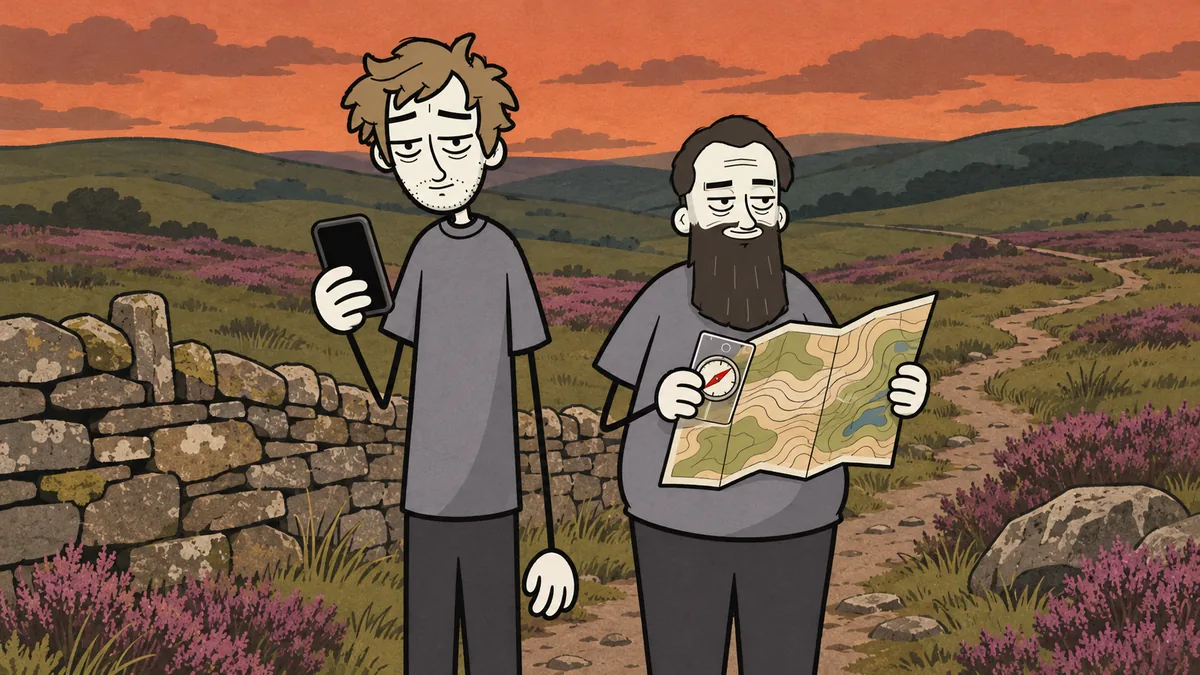
A dead battery or lost signal can leave a phone map useless. A paper map, a compass and a few basic skills still work, and they are easier to learn than most people think.
Radiation
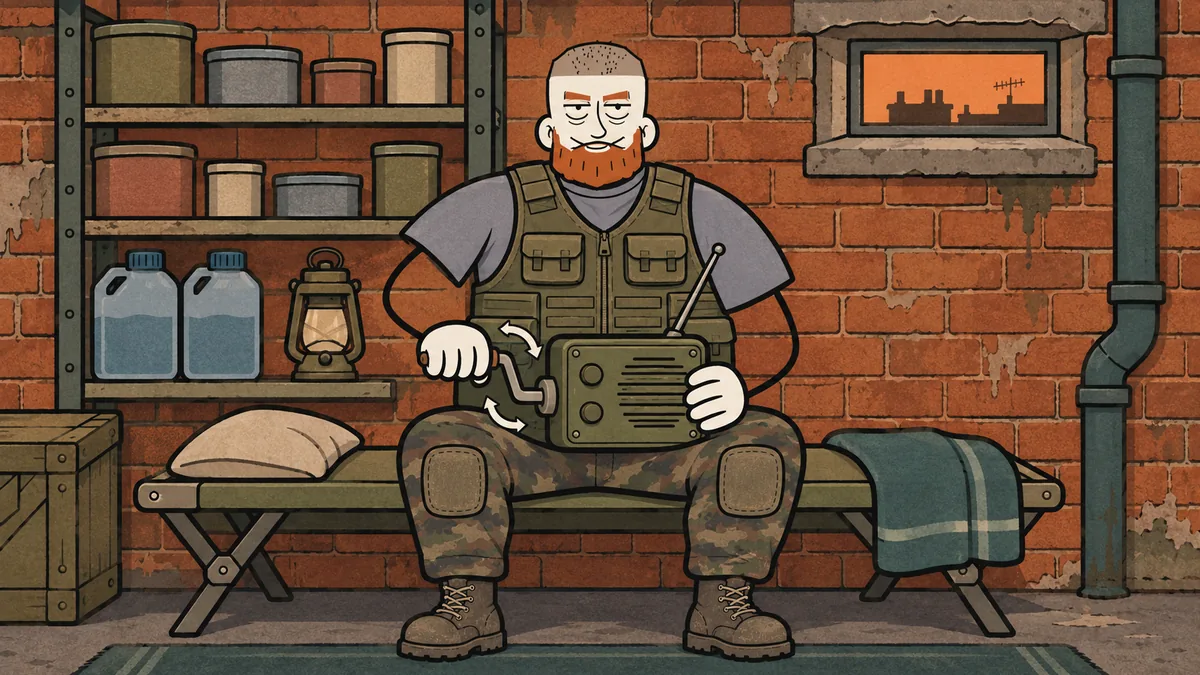
The UK's official advice fits in three words: go in, stay in, tune in. Here is what each one means, and why running is usually the wrong instinct.
Fire & gas
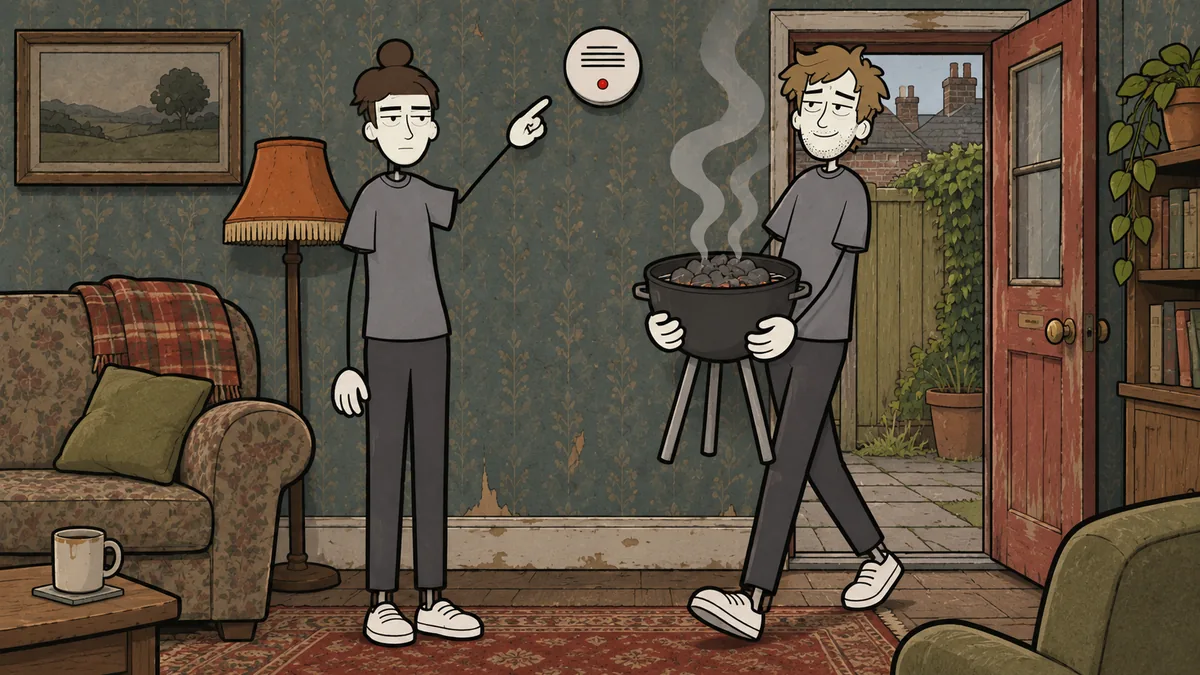
You cannot see, smell or taste it, and the symptoms are easy to mistake for something else. Here is where carbon monoxide comes from, when to get urgent help, and why a barbecue never belongs indoors.
Power cuts
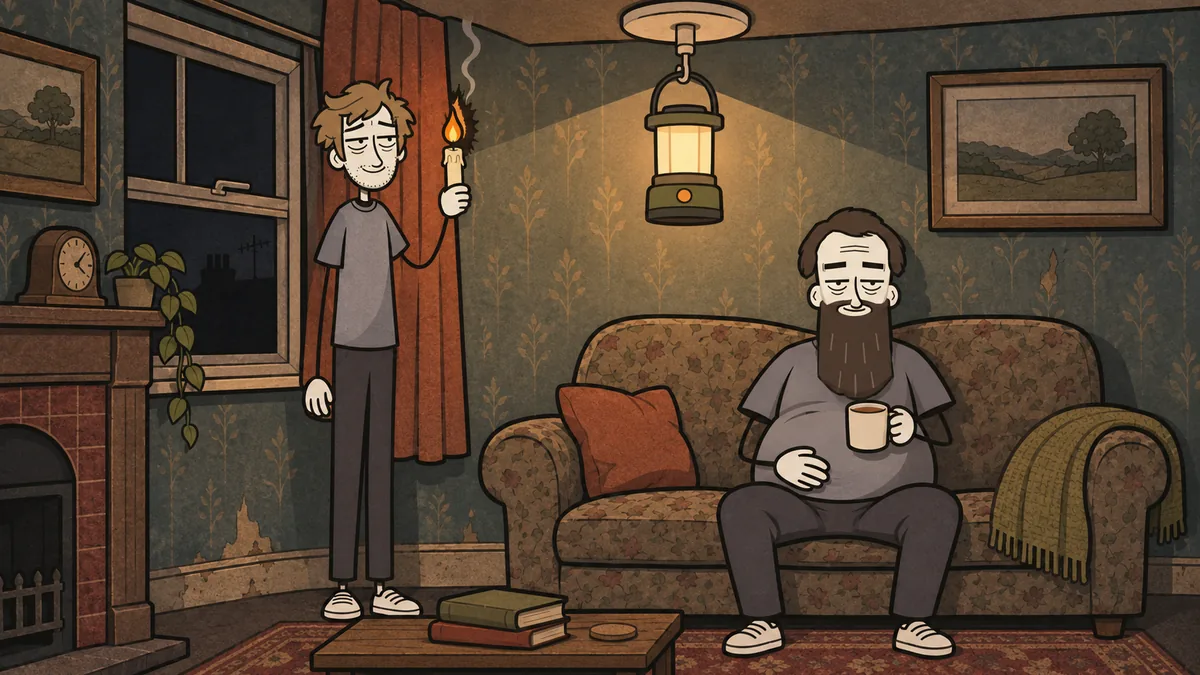
When the lights go out, the darkness is rarely the real danger. What we do to fix it can be: candles, appliances that switch back on by themselves, and cooking indoors on the wrong thing.
Getting ready
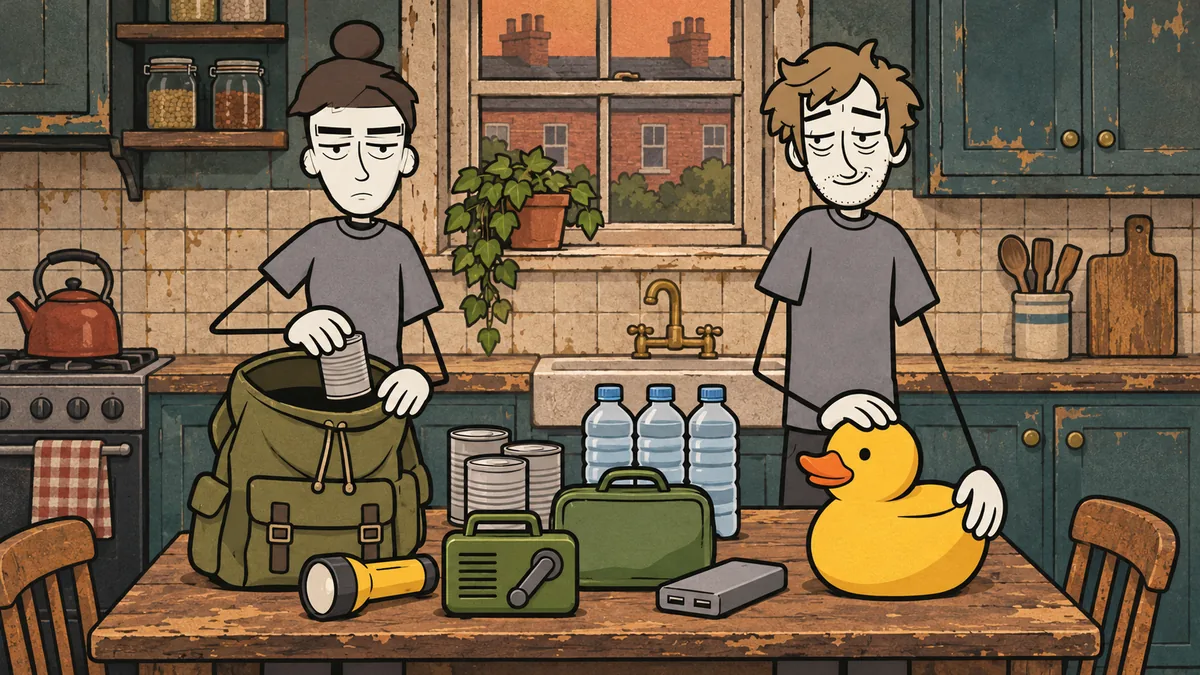
UK government advice is to be ready to manage for three days if services stop. You probably own some of the kit already, and the rest can come a little at a time.
Floods
Flooding can reach homes nowhere near a river or the sea. Here is how the warnings work, what to get ready now, and what to do when the water arrives and when it leaves.
Priorities
In a crisis most people head straight for the tinned food. Survival priorities point the other way: stay warm and dry first, then find safe water, and only then worry about food.
Power cuts
In the UK: 105 for the fault, 999 for danger, and a landline that may not work at all if it has gone digital. Here are the numbers to write down before the lights go out.
Fire & gas
Working smoke alarms and a way out you have actually walked, in the dark. Here is what UK fire services advise, including what to do if you are trapped.