Ad Links marked (Ad) are affiliate links. As an Amazon Associate I earn from qualifying purchases.
Products here are on topic, but we haven't tested them. Drawings are ours, not photos of the exact product.
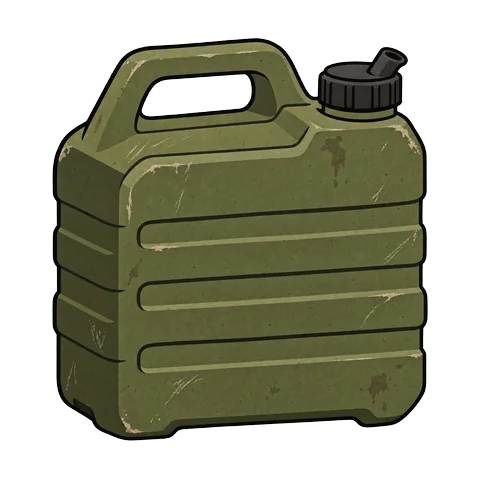
Large water container
(Ad) See on Amazon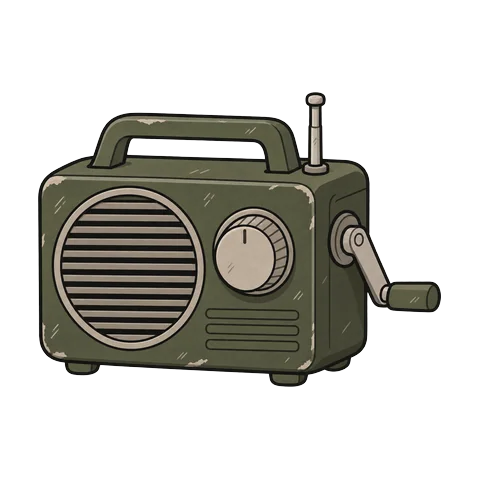
Wind-up emergency radio
(Ad) See on Amazon
Radiation emergencies are rare. If one ever did happen, most people's instincts would be to get in the car, leave, or go and find their family. The UK government's advice is the opposite, and it is short enough to remember: go in, stay in, tune in.
Go in
The single most important step, according to the UK Health Security Agency, is to get indoors as soon as you can and stay there. Any building helps, but buildings made of brick, stone or concrete give the best protection. If you are already inside, stay where you are.
Once inside:
- Close external doors and windows. Walls, closed doors and closed windows protect against the most harmful forms of radiation.
- Move as far away from the outside walls as you can. In most homes that means a room in the middle of the building.
- Turn off fans and air conditioning and close vents where possible, so you are not pulling outside air in.
Stay in
Staying indoors reduces your exposure to radiation outside. The official guidance says you may need to stay inside for one to two days, and that you will be told what to do next. This is the hard part: it means not going out to look, not driving across town, and trusting that the advice will change when it is safe.
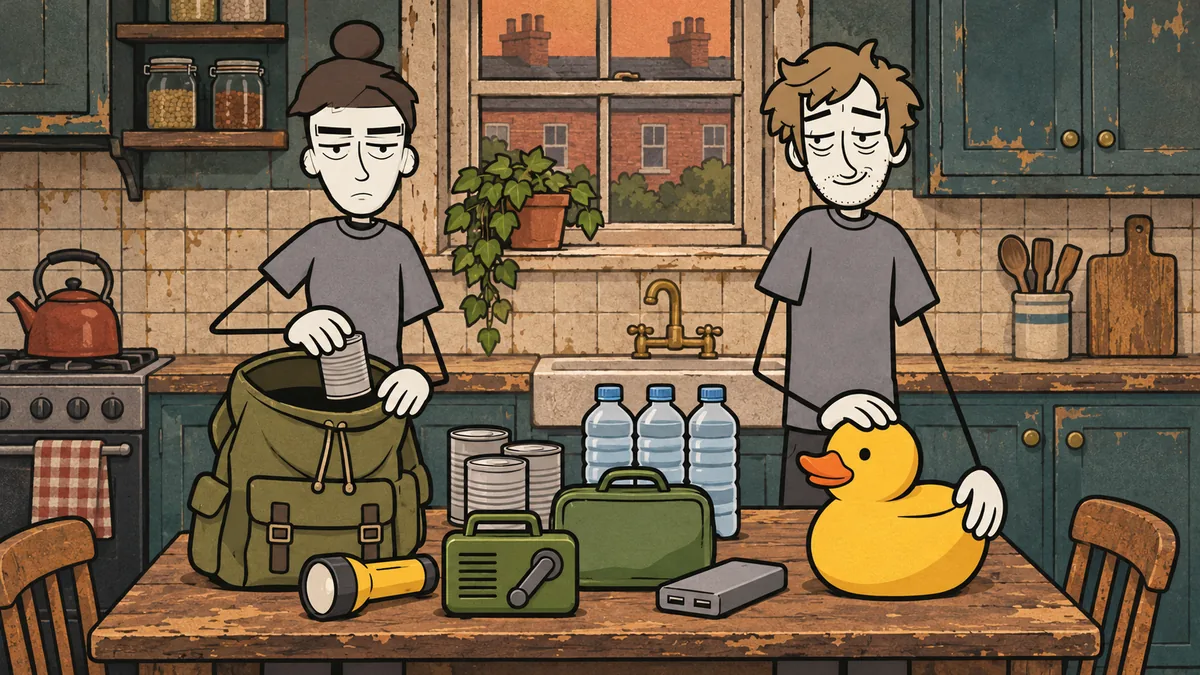
It helps to think now about what a day or two indoors would need. Stored drinking water is the obvious one. Food that needs no cooking, any medicines you rely on, and a way to keep warm and see in the dark are the others. Containers of clean water, kept somewhere you can reach easily, take the pressure off one of the biggest worries.
Tune in
The third step is to follow official advice. The government says updates may come through radio, television, the internet, social media or the police, and that the advice will change as more becomes known. Keep checking, and follow local instructions from emergency services and the council.
Phones and the internet depend on power and networks. A radio that can run without the mains, for example one with a hand crank or a solar panel, gives you another way to hear official updates if other channels go quiet.
What we don't cover
Radiation levels, distances and how long fallout lasts all depend on what has happened and where. The official guidance does not give one figure for everyone, and neither do we. Listen to the official advice for your area.
The short version
- Get inside a solid building, close the doors and windows, and keep away from outside walls.
- Expect to stay in for one to two days, and have water ready.
- Keep listening for official updates, and follow them.
This is general information. Official instructions for your area always come first.
One small job a week
A short email with what's new here and, now and then, one thing to sort out before it goes wrong. It takes minutes, and Harry won't do it.
About one email a week with safety tips and kit ideas. Unsubscribe any time. Privacy notice.