Build your 3-day home emergency kit
The official UK advice on what to keep at home if services stop for three days, all in one list.
Check your cupboards first, because you probably own some of this already. Then pick up an item or two on normal shopping trips, and check it all every six months. In a small home, a bag or a cupboard can be enough for the essentials.
Ad Links marked (Ad) are affiliate links. As an Amazon Associate I earn from qualifying purchases.
Products here are on topic, but we haven't tested them. Drawings are ours, not photos of the exact product.
Want it as a printable PDF?
Sign up and we will send you this list, ready to print and stick on the fridge. Then about one short email a week with a small job to do.
Get the free checklist and about one email a week with safety tips and kit ideas. Unsubscribe any time. Privacy notice.
Water
Be Ready asks for 3 litres of bottled drinking water per person per day, with more for cooking and washing.
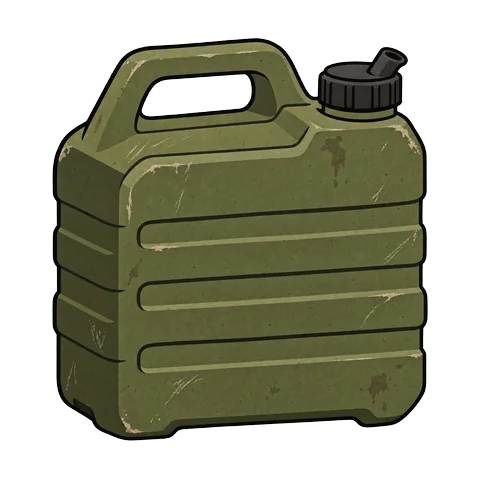
Large water container
(Ad) See on Amazon
Food
Choose things with a long shelf life that need neither a fridge nor a cooker, and that your household normally eats.
Light and warmth
Be Ready and the Red Cross both say torches are safer than candles, and a home can get cold very quickly once the heating stops.
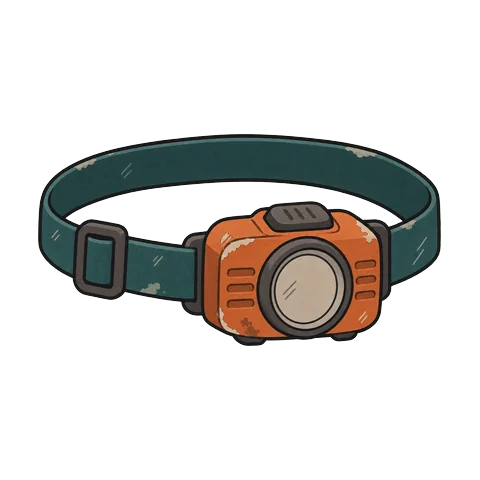
Rechargeable head torch
(Ad) See on Amazon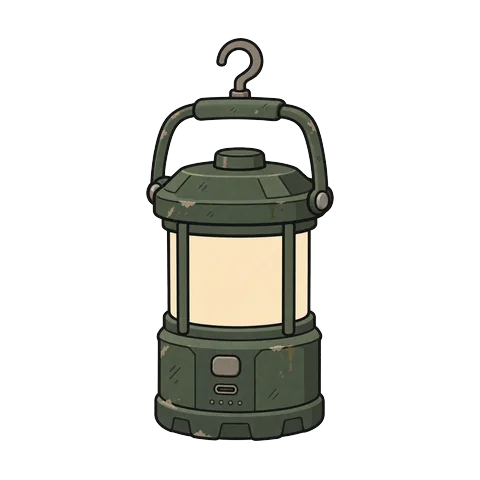
Rechargeable camping lantern
(Ad) See on Amazon
News and phones
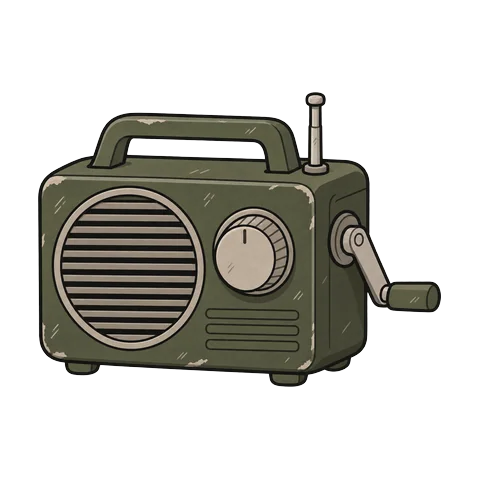
Wind-up emergency radio
(Ad) See on Amazon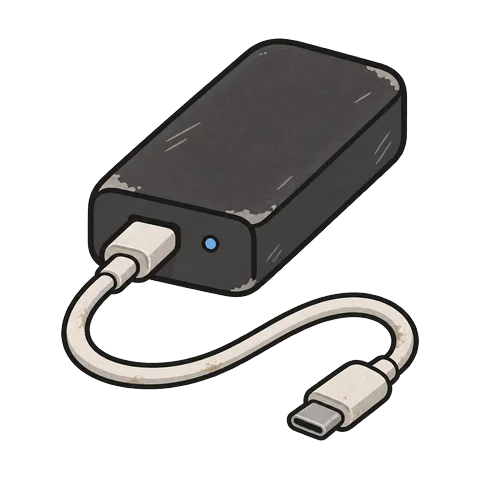
20,000 mAh power bank
(Ad) See on Amazon
Money, paper and phone numbers
Card payments and cash machines may not work, and your phone may die.
Health and hygiene
Leave time for repeat prescriptions: the advice is to request them up to 5 working days before you need the medicine.
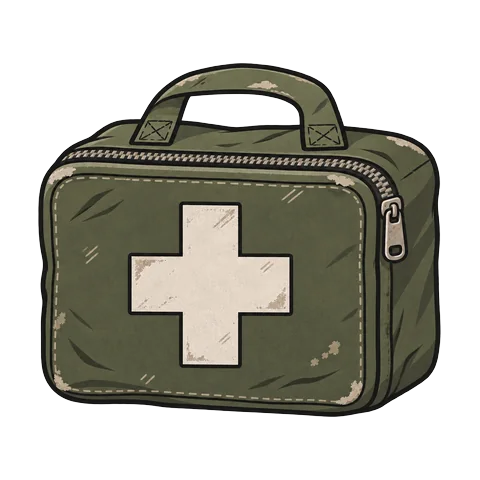
First aid kit
(Ad) See on Amazon
Babies, pets and everyone else
Not in the bag, but in the house
These aren't part of the three-day list, but the guides explain why they matter.
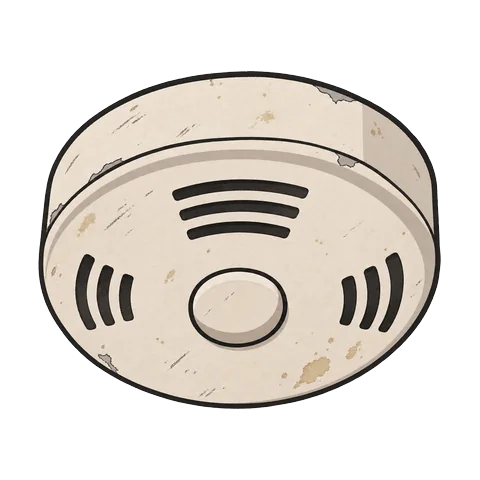
Smoke alarm
(Ad) See on Amazon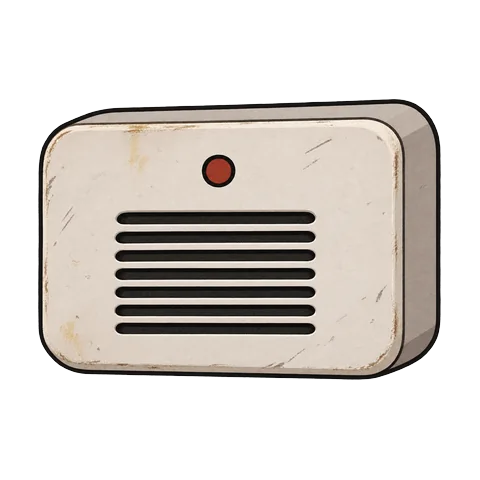
Carbon monoxide alarm
(Ad) See on Amazon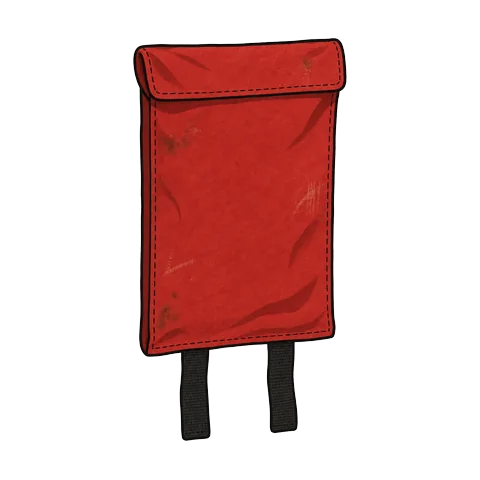
Fire blanket
(Ad) See on Amazon
Worth a look, depending on your home
These aren't on the official lists. Our guides cover when they might help.
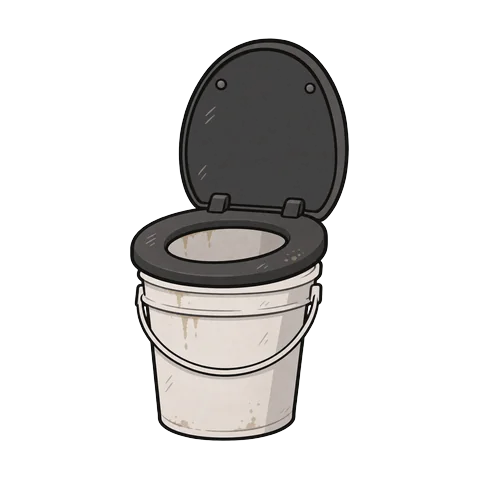
Portable toilet
(Ad) See on Amazon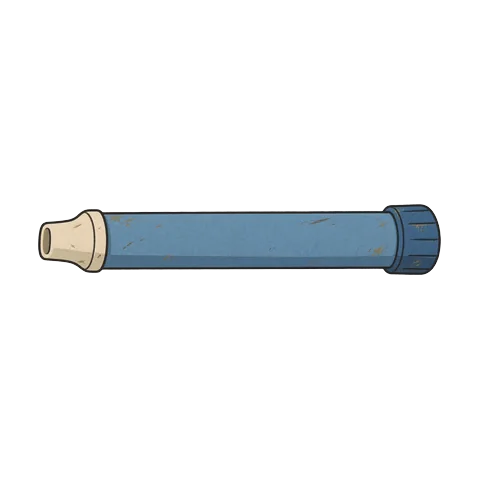
Straw water filter
(Ad) See on Amazon
Emergency survival bag
(Ad) See on Amazon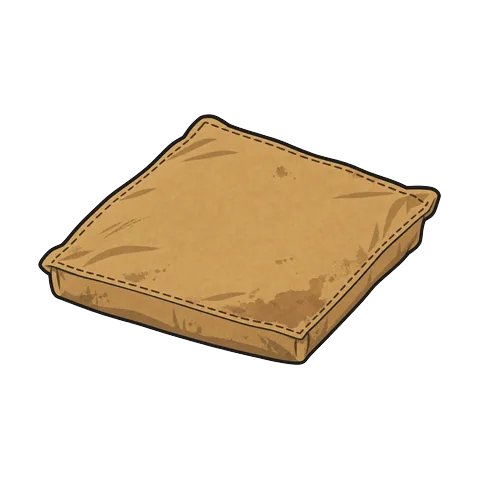
Water-activated flood bags
(Ad) See on Amazon
This is general information. Official instructions for your area always come first.
What we read
- GOV.UK, Be Ready: Be ready for emergencies
- British Red Cross: Prepare an emergency kit
- British Red Cross: Prepare your household for 72 hours during an emergency
- Ready Scotland: Make an emergency kit
- nidirect: Household emergency kit
- GOV.WALES: How to prepare for emergencies
- NHS: Carbon monoxide poisoning